OpenAI presented last week soraits generative video app with TikTok-like scrolling, and it did so with a controversial decision: a system “opt-out” for rights holderswho had to request to be excluded if they did not want to see their characters recreated by the AI. The reactions did not take long. After days of clips featuring popular franchises and off-key scenes, Sam Altman has backed off and promises more control for content owners.
Beyond the noise, the pivot reveals something key: OpenAI did not gauge the social impact of the launch nor how quickly Sora's usage would skyrocket. The company now talks about new barriers and a deployment that it describes as 'prudent', while highlighting the rapid adoption and accelerating the opening of the access to the Sora 2 model via API for developers. The balance between growth and responsibility is once again in a delicate situation.
What exactly has changed in Sora
The central point is that OpenAI has stopped applying the “opt-out” system. OpenAI assures that it will work with large and small rights holders so that can block or allow the use of their characters and establish conditions of use (for example, veto political or offensive uses). In parallel, the head of Sora has announced More granular controls for cameos: If you upload your image, you will be able to define in which contexts you want, or not, your avatar to appear.
Another front is the watermark. The company says it is improving its visibility in downloaded videos, after criticism of its size and how easy it seems to remove it with common editing tools. The message is clear: before expanding freedoms, OpenAI wants to strengthen signaling and traceability, although has not detailed How will you enforce it outside of your app or in the app? Sora 2 API.
An accelerated launch that opens more questions
The premiere of Sora has reignited the debate about misinformation, impersonations and the limits of 'fair use'. If internal filters fail, the incentive to exploit well-known characters is enormous, and so are the financial incentives for the company. At the same time, OpenAI insists that “learning in public” It is the only way to adjust rules and technology with the real world, a thesis that clashes with those who ask for more guarantees before opening the season.
It is also no coincidence that, in the same package, the company talks about its growing need for processing capacity and its data center plan with partners such as Oracle or SoftBank. If Sora takes off on mobile and API, the cost skyrockets and OpenAI needs volume to sustain it. The risk: growing quickly without closing critical gaps in intellectual property and securityand that the correction comes, again, later.
How does this affect creators and users?
For studios and artists, the turn is a respite, but details are missing: who authorizes, how it is compensated, what happens to the content already generated and what real capacity they will have to enforce their vetoes. For users, more cameo controls and better signage are welcome, but without clear and verifiable criteria the system will still be easy to skirt.
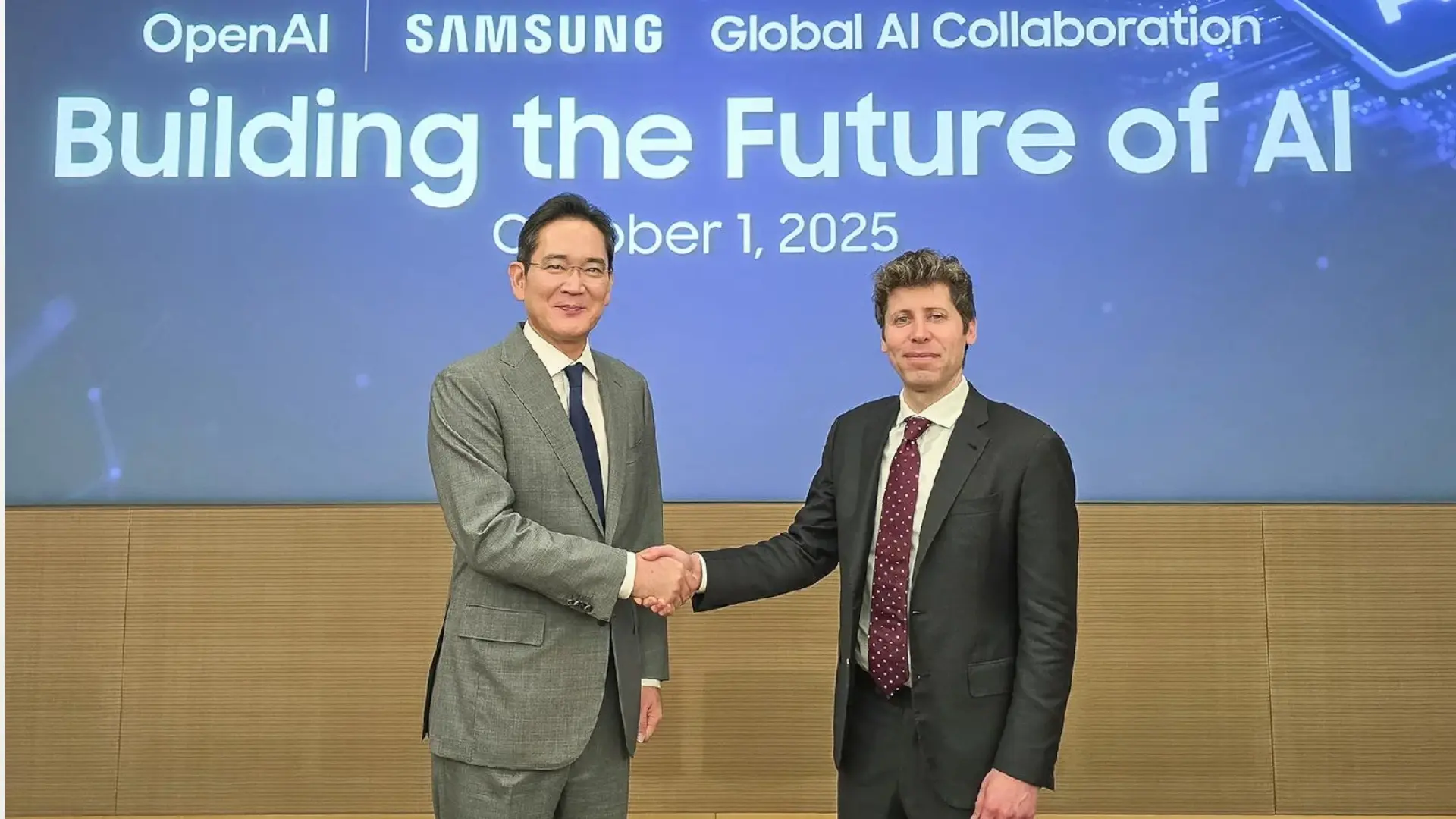
Despite these drawbacks, OpenAI does not stop when it comes to new features, such as ChatGPT alliance with Spotifyand also with Samsung which undoubtedly surprised many.
Do you think OpenAI has reacted on time or is it late? We read you in the comments.