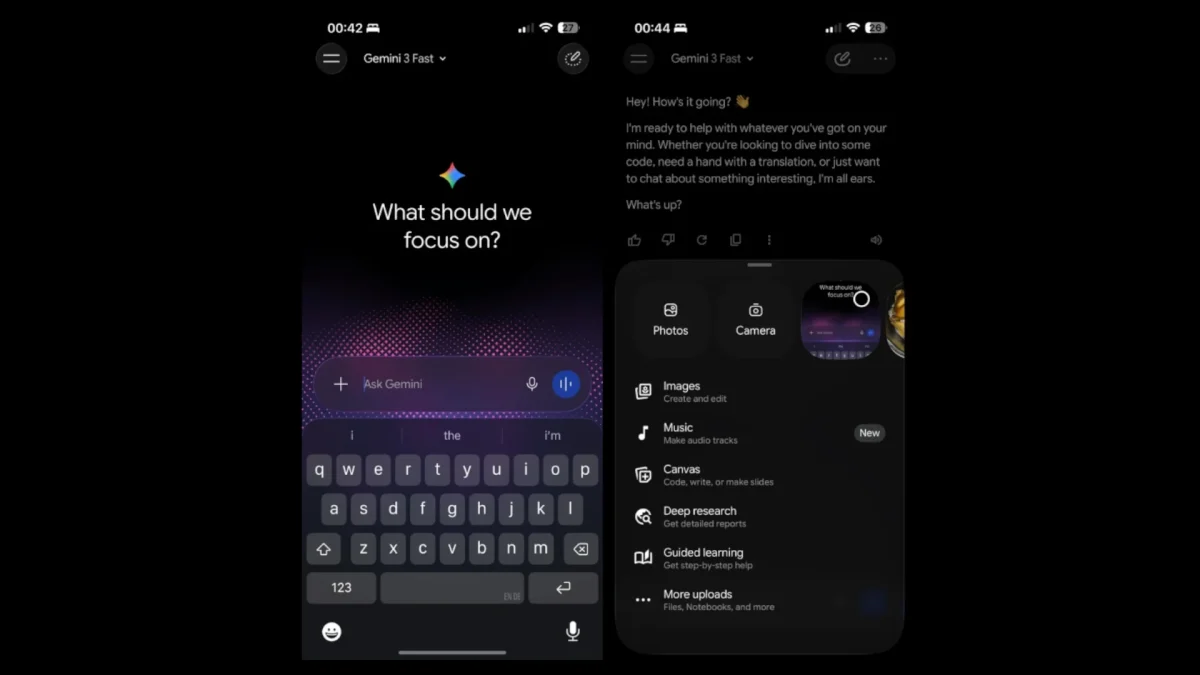



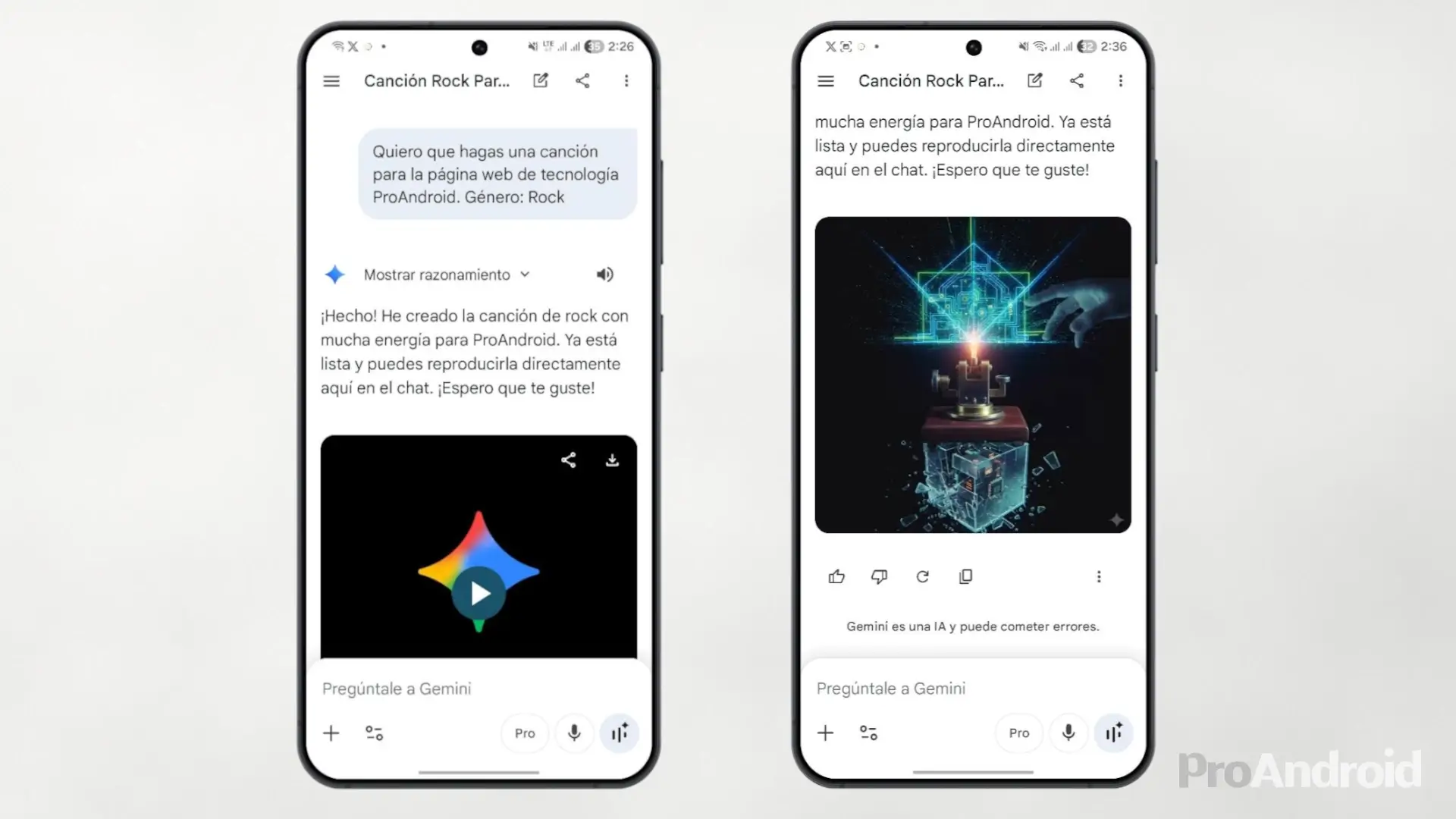

Artificial intelligence continues to devour creative terrain, and this time it is the music industry's turn. Google has just announced that its assistant Geminidriven by the new model Lyria 3already allows users to generate full songs of up to 30 seconds. Gone are the days when these tools were hidden experiments in laboratories: now anyone with the mobile app or web version can unleash their composer side by simply typing a few words or uploading an image.
What is striking (and perhaps a little worrying for purists) is that the system no longer asks you to write the lyrics yourself. Based on your indication, the artificial intelligence takes care of everything: generates the melody, creates the lyrics, chooses the vocal style and adjusts the tempo. It promises tracks with greater musical complexity and a more realistic sound, moving away from the canned tones of its previous releases.
The debate between human creativity and synthetic immediacy
Not everything is a bed of roses in this sonic revolution. Although Google claims to be working with artists to implement security barriers and has integrated its watermark technology SynthID To identify synthetic tracks, the ease with which songs can be manufactured poses a problem: saturating the internet with throwaway music could devalue the work of actual creators.
This feature is available for both free and paid users of Geminialthough the credits available to generate the tracks will depend on the status of your subscription. It is undoubtedly fun to ask your phone for a rock ballad about your pet, but it remains to be seen if this technology will be integrated as a useful resource for professionals or if it will remain a simple passing trick. The curious thing about it all is that Google did not want to wait too long, since just a few days ago it also released the split screen functiona feature that could increase our productivity considerably.
Seeing how quickly algorithms advance in the field of sound art, do you think that these synthetic songs will one day be able to move us as much as those written by humans?