Google has just made a move with Gemini Intelligenceits new umbrella of tools powered by artificial intelligence for our operating system. The company wants us to stop seeing this technology as a simple question-and-answer chatbot, seeking to integrate it natively into everything we do daily. The problem is the same as always: fragmentation. These juicy news will be limited initially to the premium rangeleaving out those who cannot or do not want to spend a thousand euros to renew their device.
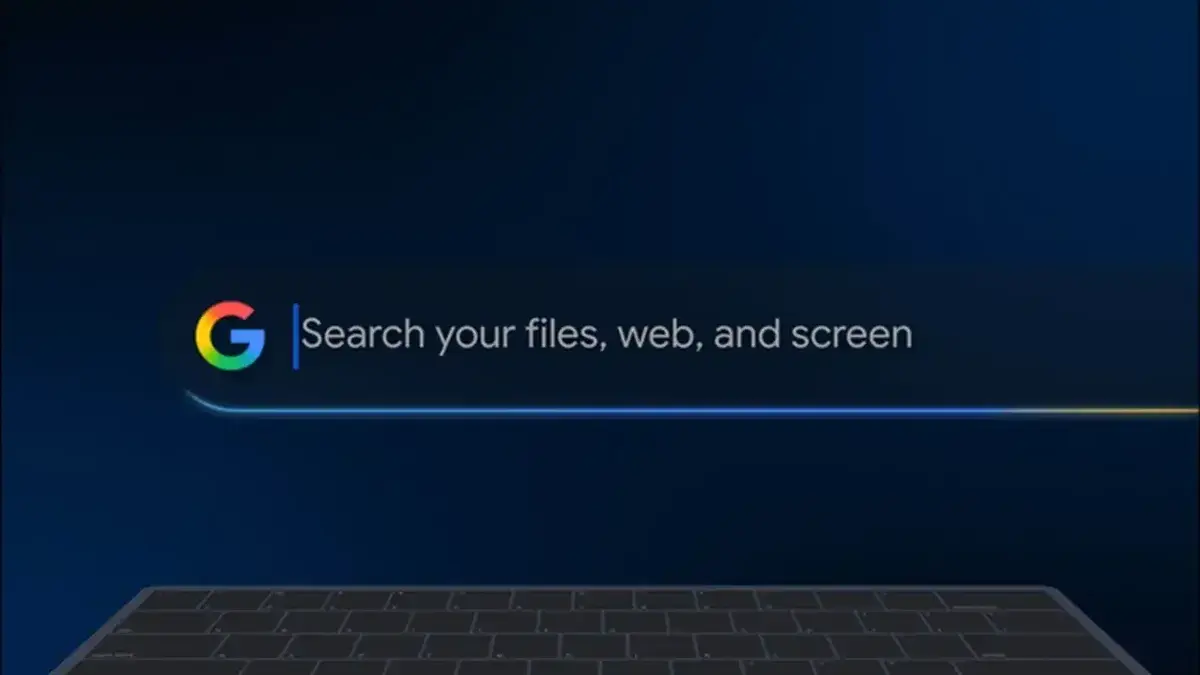
If we look at the interfaceGoogle is betting that the phone understands the context of our screen thanks to visual language Material 3 Expressive. The idea is that it is no longer necessary to copy texts or take screenshots; If you're viewing a recipe, the system promises to recognize the ingredients and add them directly to your shopping app by simply holding down the power button. On paper it sounds fantastic, but we will have to check in daily use if this constant reading is not invasive or if it really works well outside of Google's own apps.
Gboard gets smarter with Rambler
One of the most curious additions of this update falls on gboard. We have all suffered when trying to dictate a message to our cell phone while thinking out loud: the result is usually a chaotic block of text, full of doubts, repetitions and disconnected words. To put an end to this daily drama, they have presented ramblera tool integrated into the keyboard that promises to filter our mistakes in real time.
In practice, rambler acts as an automatic shadow editor. If you hesitate, correct yourself, or take long pauses (“ehhh…”), the system will clean up the message on the fly to deliver direct, coherent text. It's a brilliant solution for those who hate sending endless voice notes, although it makes us wonder if this aggressive correction will end up cutting out important nuances or completely changing the original tone of our words.
A la carte widgets and the price of innovation
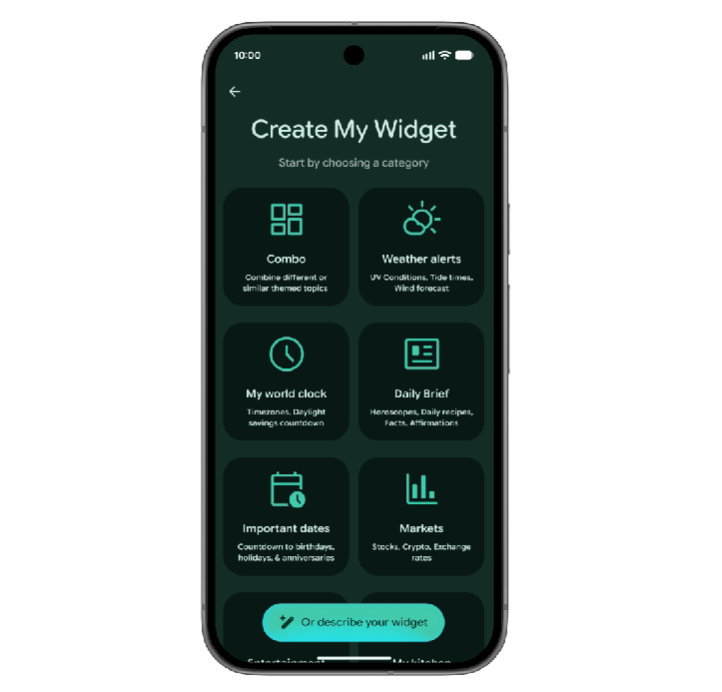
Beyond the keyboard, the great commitment to customization is led by Create My Widget. No more having to search the Play Store for the perfect information panel that never exists. Now, through a simple text instruction, artificial intelligence will be able to generate unique widgets tailored. Do you want a card on your home screen that shows you only your team's pollen count and results? You ask it and the system designs it instantly.
This ability to create custom interfaces It completely breaks with the static molds that Android has accustomed us to for years. However, we cannot ignore that generating and keeping alive these mini-programs will require a power of pretty beast processingwhich indirectly explains why Google has closed the door to mid-range and entry-level mobile phones.
The deployment of this entire intelligent ecosystem will start in summer for the most advanced phones on the marketwith plans to later jump to other formats such as watches or glasses. Knowing that your current mobile phone probably won't receive any of this in the short term, do you think it's worth shelling out a fortune for a high-end phone like a Galaxy S26 only for an AI to design your screen and correct your dictated messages?