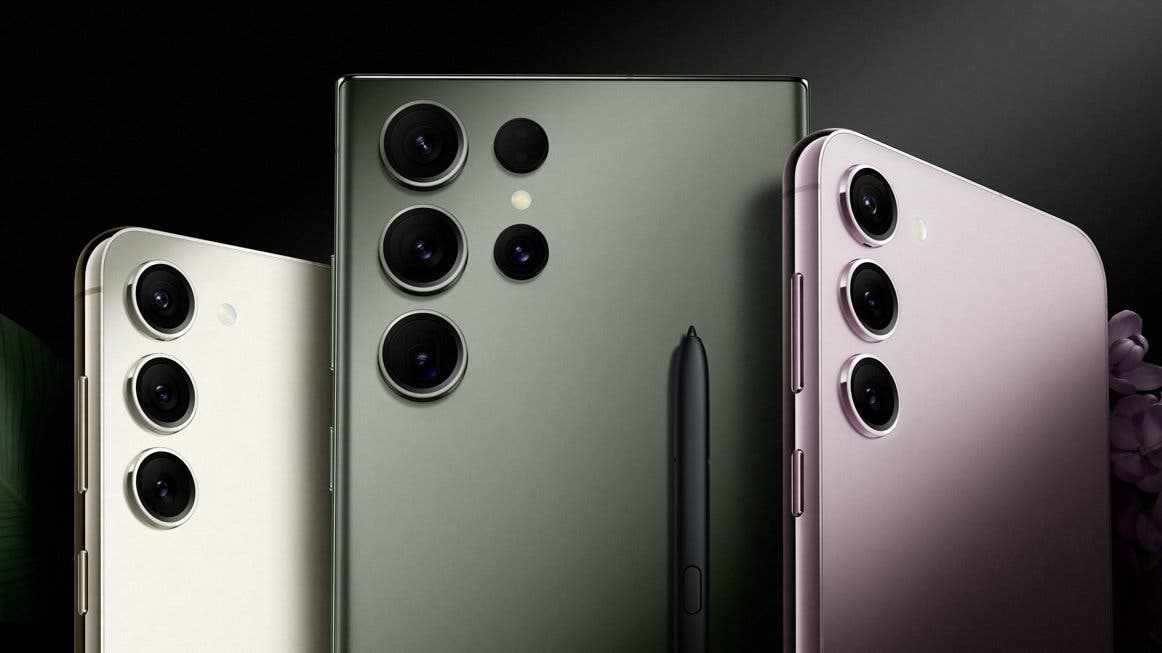
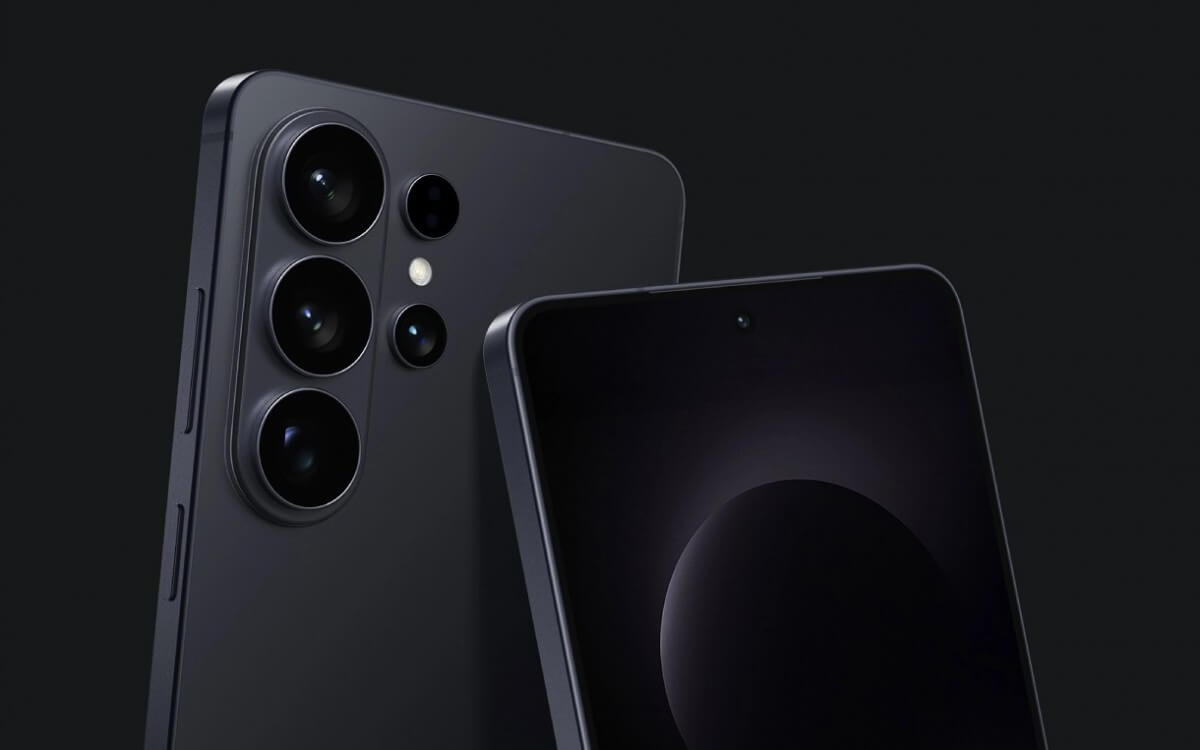
Samsung has just presented the Galaxy S26 Ultra, its new top of the range for 2026. The evolution, to be honest, is moderate. The phone is thinner (7.2mm) and somewhat lighter (214 grams) than the S25 Ultra, but it brings a change that has not sat particularly well: the titanium frame disappears and aluminum arrives. Samsung hasn't given many explanations about it, and for a phone that starts at 1,450 euros, it's the kind of decision that invites you to frown.
The most striking thing about the launch is the privacy screen – Privacy Display, in Samsung's terminology – a hardware solution that darkens specific pixels when someone tries to look at the screen from the side. It combines hardware and software to hide notifications and passwords, and can be activated automatically. For those who use their cell phones on the subway or on a plane, it is a function that really makes sense. The panel itself doesn't change much: 6.9 inch AMOLEDQHD+ resolution, refresh rate between 1 and 120 Hz, and up to 2,600 nits of maximum brightness.
Qualcomm for everyone and a photographic section that does not skimp
The Snapdragon 8 Elite Gen 5 for Galaxy arrives in all regions this time, and this is more important than it seems. While the Galaxy S26 and S26 Plus They mount the Exynos 2600 in Europe, the Ultra gets rid of Samsung's own chip and carries the Qualcomm throughout the world. It comes with 12 GB of RAM in the base models and 16 GB in the 1 TB.
In cameras, the main 200 MP repeat sensor but it has a new f/1.4 aperture, with which Samsung promises to capture 47% more light. The 50 MP telephoto lens with 5x zoom also improves its aperture. The 50 MP wide angle remains the same. It's a reasonable update, not a major twist.
The S Pen is still included, without Bluetoothsame as last year. For the majority it will be indifferent. For those who used it wirelessly, it's another year of disappointment.
Samsung Galaxy S26 Ultra technical sheet
- Screen: 6.9″ LTPO AMOLED, QHD+, 1-120 Hz adaptive, 2,600 peak nits, Gorilla Armor 2, Privacy Display
- Processor: Snapdragon 8 Elite Gen 5 for Galaxy (all regions)
- RAM/Storage: 12GB / 256GB | 12GB / 512GB | 16GB / 1TB
- Rear camera: 200 MP f/1.4 main · 50 MP wide angle · 10 MP f/2.4 3x telephoto · 50 MP f/2.9 5x telephoto
- Front camera: 12MP
- Battery: 5,000 mAh
- Burden: 60W wired 25W wireless (Qi 2.2) 4.5W reverse
- Software: One UI 8.5 / Android 16
- Construction: Aluminum + Gorilla Glass Victus 2
- Dimensions / Weight: 7.2 mm thick · 214 grams
- Stylus: S Pen without Bluetooth
- Colors: Black, Cobalt Violet, Sky Blue, White (+ Silver and Pink Gold online)
- Price: from €1,450 (256 GB) €1,650 (512 GB) €1,950 (1 TB)
Battery and price: sections with specific improvements
Comes with 5,000 mAh battery, same capacity as in the latest Ultra. The novelty is in the charging: the 45W limit is finally exceeded and we reach 60W by cable, which according to Samsung allows you to go from 0 to 75% in 30 minutes. There is also 25W wireless charging with Qi 2.2 support and 4.5W reverse charging. The charger, as usual, is not included in the box.
The phone arrives with One UI 8.5 on Android 16 and a good handful of Galaxy AI functions: audio noise removal in third-party apps like YouTube or Netflix, call filtering, home screen summaries and advanced photo editing from the gallery. Some seem really useful; Others look more like a list of features than functions that someone will use on a daily basis. The pre-sales have started today and the official sale will be on March 11.
They are almost 200 euros more than its predecessor for a privacy screen, faster charging and a frame that, from titanium, has changed to aluminum. Each one to draw their own conclusions.