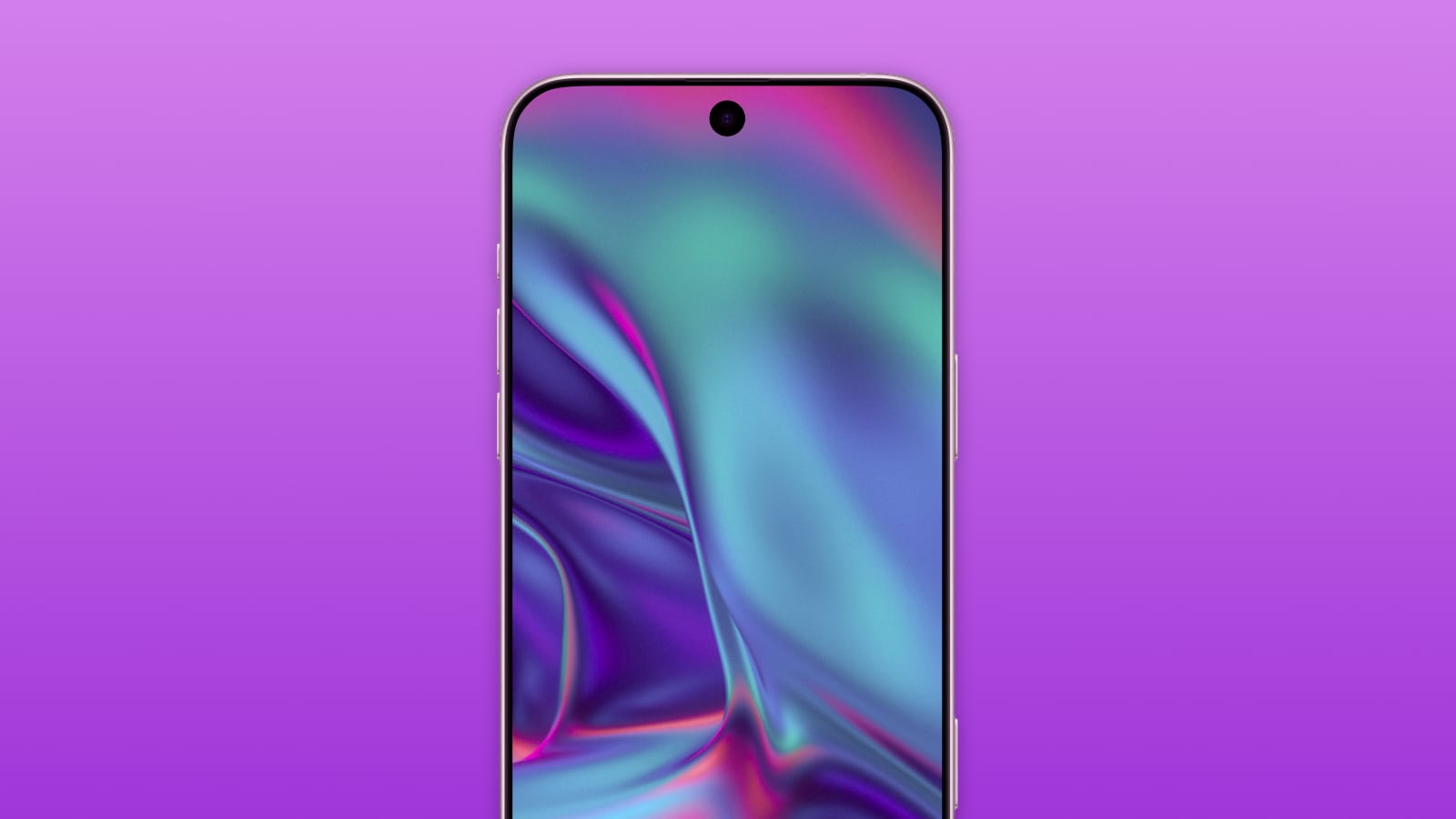
Tyler Stalman, a photographer known for reviewing the iPhone camera every year, has already published his analysis of the iPhone 18 Pro after the review embargo was lifted. The model debuts the chip A20 Pro of 2 nanometersa new vapor chamber for cooling and a smaller Dynamic Island, but the protagonist of his video is something else: the variable aperture that Apple has incorporated this year into the main lens.
To make the comparison, Stalman has put side by side the photos and videos of the iPhone 18 Pro with those of iPhone 15 Proalthough he recorded the review almost entirely with a iPhone 17 Pro. And, beyond the processor figures, what makes the difference this year is the ability to mechanically control the amount of light that enters the sensor, something that no iPhone had offered until now.
An f/1.48 aperture with an unusual construction
Stalman describes the variable aperture as “one more step on the path to turning the iPhone into a serious camera.” The maximum opening of f/1.48 It lets more light through to the sensor, allowing you to work at a lower ISO in dark scenes and reducing your reliance on Night mode to take clean photos.
What stands out the most is the construction of the mechanism: the diaphragm blades are placed above the main element of the lens, not inside the optical assembly as is usually done in traditional cameras. This unusual arrangement is what allows the opening and closing iris effect seen in several shots of his video, with which he controls both the depth of field and the amount of light that enters each shot. It is a mechanism that is not seen in other mobile phones on the market, and explains a good part of the interest that this review has generated among those who closely follow the iPhone camera.
The 4x zoom convinces you more than the 5x, and this is how you value the color of the chassis
In the telephoto lens, Stalman prefers the zoom 4x of the iPhone 18 Pro (the same one that last year's model already had) compared to the 5x of the iPhone 16 Prowhich in his opinion was sometimes too closed for daily use. It is an opinion that comes from someone who takes photographs professionally, so his assessment of how much reach you really need in a telephoto lens has quite a bit of weight. It is not a revolutionary leap, but for those who shoot without always resorting to the wide angle, the difference is noticeable when framing.
It also leaves a practical warning for anyone who works with the camera professionally: although the Cosmic Orange of the iPhone 17 Pro he liked, it tended to sneak in like a reflection when shooting through glass. That is why he recommends staying with Burgundy either Black in the new model, colors less likely to inadvertently color a photo or video. It is a nuance that you will only notice if you look at the reflections, but it is worth taking into account if you depend on your photos to work.
New textures in Photographic Styles, and doubts with AI editing
The review also includes the new texture controls for Photo Styles: Soft Skin, Glow and Film. Stalman tests them by taking the intensity from 0 to 100 and assesses that Soft Skin softens the detail of the skin without falling into the artificial blur effect, while Glow adds a diffuse glow similar to that of a black fog filter.
The Film style is the one that convinces him the most due to its grain and its halation effect, although he would have liked to be able to adjust the amount of grain more precisely. About editing tools with artificial intelligence, such as Clean Up, Extend and Reframeacknowledges that they are technically very convincing, but warns that they can change an image so much that the result no longer feels faithful to the original photo. A nuance that should be taken into account before completely trusting the final result.
Apple Log 2 and Reference Image, the latest news in video
The analysis also touches on the video section, with the arrival of Apple Reference Image and various settings in Cinema mode. Stalman continues to recommend Apple Log for those looking for a truly cinematic finish, although he positively values the arrival of Apple Log 2 and the new professional controls of the Camera app, something that confirms the increasing weight of professional video on the iPhone.
His video also comes in the midst of a flurry of analyzes of the iPhone 18 Pro, published as the embargo was lifted this week among photographers and content creators. The review is completed, as every year, with several photo and video comparisons between the iPhone 18 Pro and the iPhone 15 Pro.
Frequently asked questions about iPhone 18 Pro variable aperture He describes it as a key step in turning the iPhone into a serious camera: the f/1.48 aperture improves low-light performance and reduces the need for Night mode.
Because on the iPhone 17 Pro that tone could be reflected when shooting through glass. For professional use, he suggests the Burgundy or Black finishes on the new model.
He prefers the 4x zoom of the iPhone 18 Pro compared to the 5x of the iPhone 16 Pro, which in his opinion was sometimes too close for daily use.
It incorporates the texture controls Soft Skin, which softens the skin without blurring it, Glow, which simulates a black fog filter, and Film, with grain and halation.
What does Tyler Stalman think of the variable aperture of the iPhone 18 Pro?
Why do you recommend avoiding the Cosmic Orange color on the iPhone 18 Pro?
How does Stalman rate the zoom of the iPhone 18 Pro compared to previous models?
What new photography styles does the iPhone 18 Pro include?