



SpaceX continues to demonstrate that its ceiling is not even in the stratosphere. The aerospace company, which already dominates the launch market with its reusable rockets, is preparing the ground for a possible Public Offer of Sale (IPO) that could shake Wall Street this 2026. But what has really lit up the networks are not its rockets, but the rumors—increasingly solid—about a own mobile device and new internet services that promise to change the rules of the game.
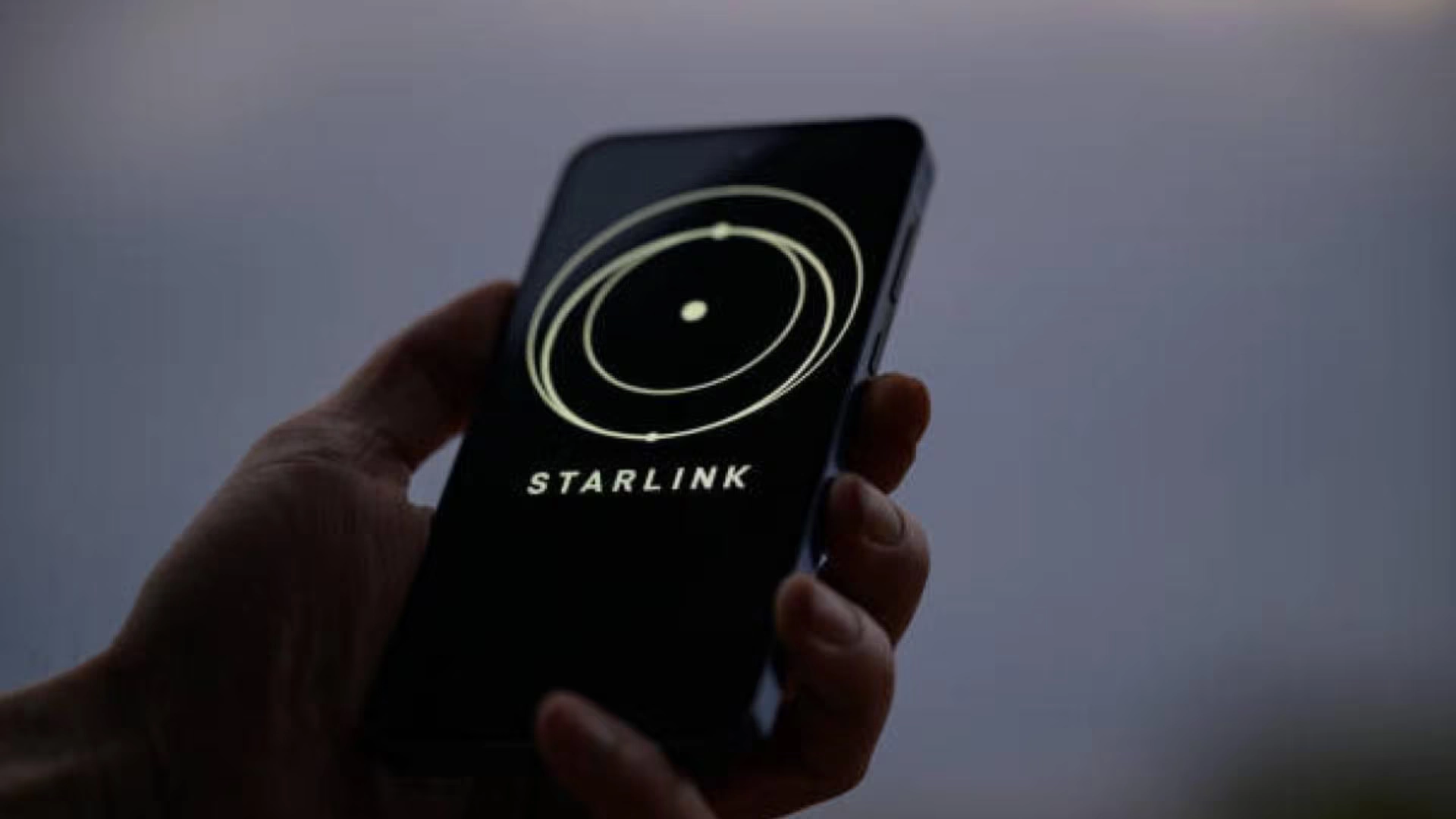
According to reports ReutersStarlink has become the jewel in the company's financial crown, generating the majority of SpaceX's revenue. With this economic cushion, Elon Musk has dropped the possibility of a starlink phone. However, true to its style, it would not be a conventional smartphone to compete with the iPhone or the Galaxy in megapixels. Musk has suggested it would be a “very different” device, optimized specifically to run neural networks with maximum energy efficiency, moving away from the traditional concept of a smartphone that we carry in our pockets.
More than a phone: a tool for AI
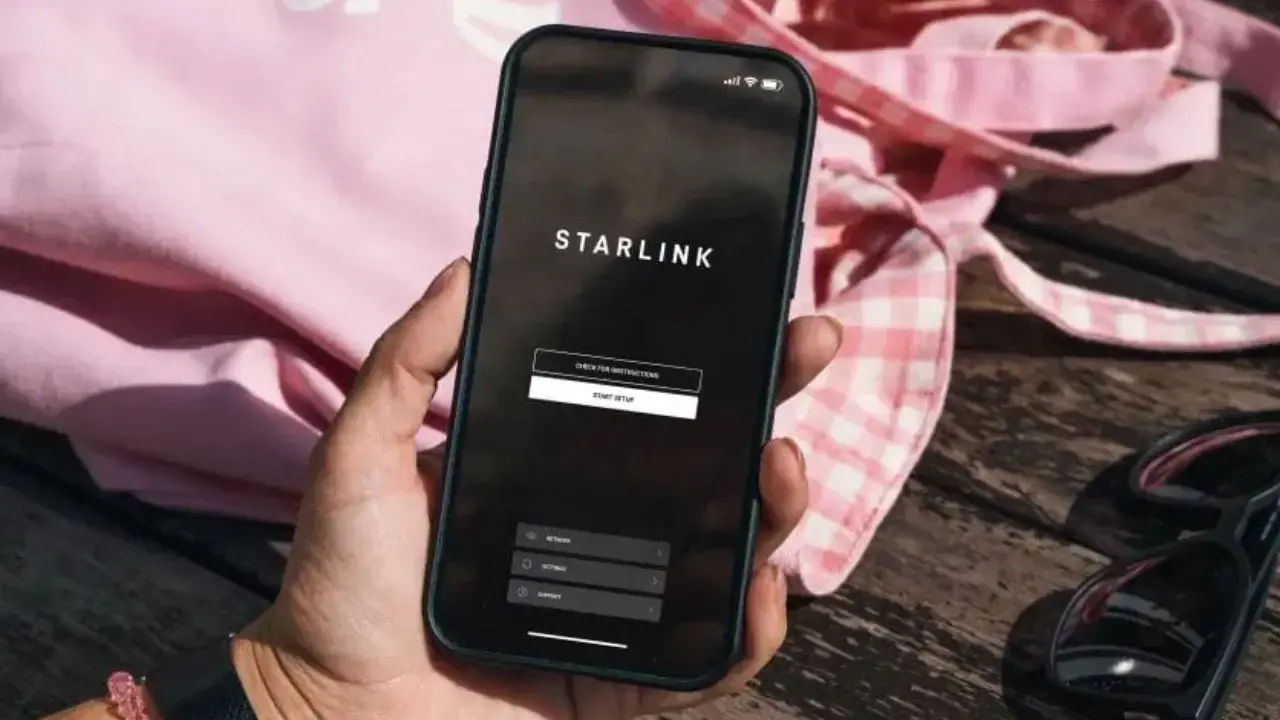
The idea behind this hypothetical device is not just to call or send messages via satellite — something that is already beginning to be seen with technology. Direct-to-Cell—, but to integrate deeply with artificial intelligence. Following the recent merger of efforts between SpaceX and xAIthe goal seems to be to create hardware that serves as a physical node for ubiquitous AI. We would not be talking about a pretty screen, but rather a performance beast per watt designed to process complex data, taking advantage of the constellation of low orbit satellites to maintain an uninterrupted and global connection.
Although there is still no official technical sheet or launch date, the strategy is clear: close the circle. If SpaceX puts the infrastructure in space and xAI puts the digital brain, this device would be the body that users would have in their hands. It's a risky move, but one that fits with Musk's vision of making current operating systems obsolete in favor of interfaces governed entirely by intelligent assistants.
New services: Stargaze and orbital control
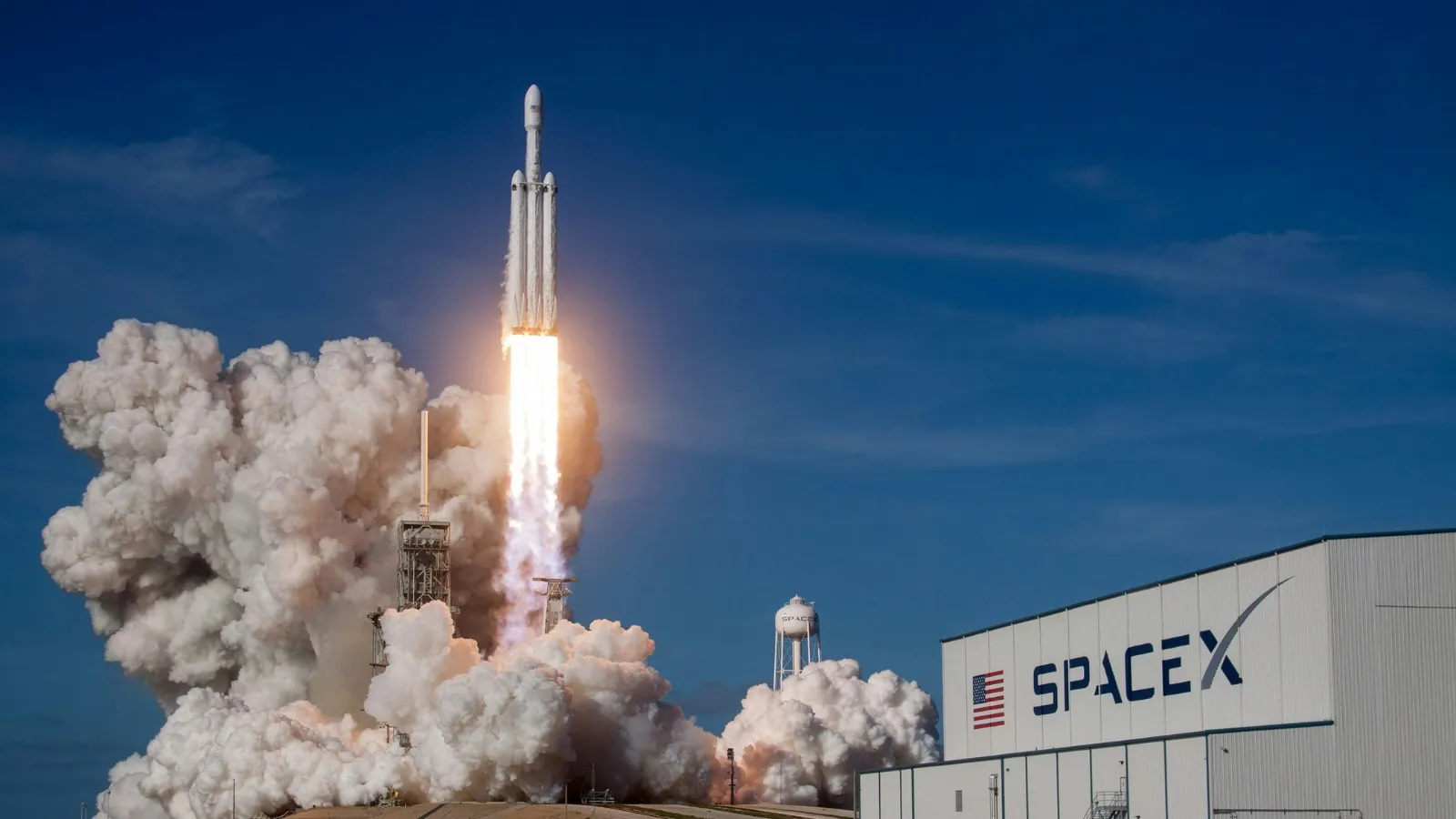
Beyond consumer hardware, SpaceX does not neglect the government and business sector. The company is developing a new service called “Stargaze”designed for tracking and monitoring objects in low Earth orbit. With thousands of satellites already in operation, Starlink is in a privileged position to offer real-time data on space traffic, a service that appears critical in the face of growing congestion outside our atmosphere.
This service adds to the expansion of direct connectivity to devices, which seeks to eliminate coverage “dead zones” throughout the planet. While traditional operators continue to deploy 5G antennas, SpaceX is looking up, consolidating a de facto monopoly in low-latency satellite internet. If they manage to connect your next mobile phone directly to their satellites without the need for cumbersome antennas, the disruption in the telecommunications market It will be total. Are we facing the end of SIM cards as we know them?
Would you buy a cell phone designed by Elon Musk knowing that his priority is not to take good selfies, but to serve as support for his artificial intelligence?