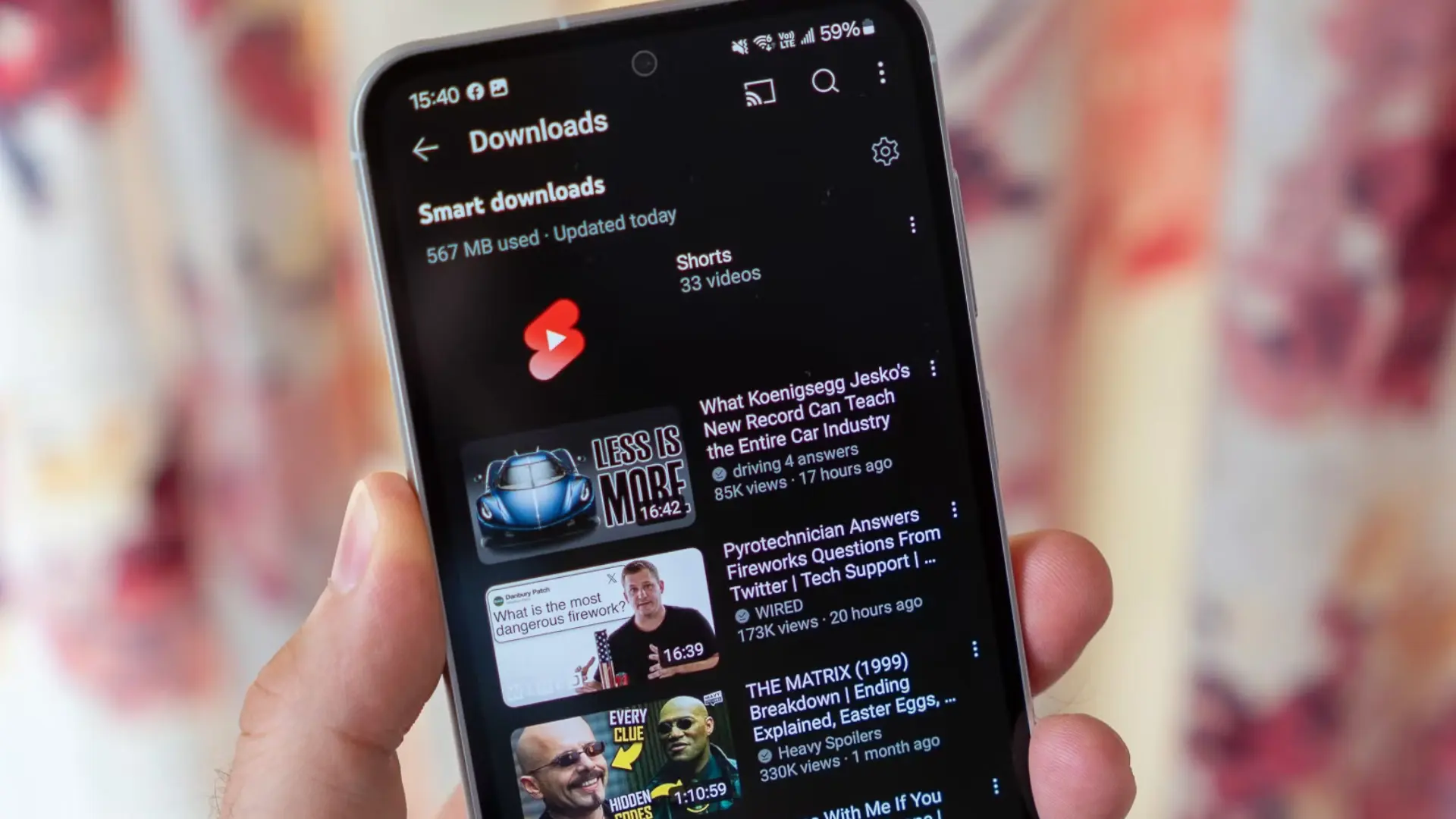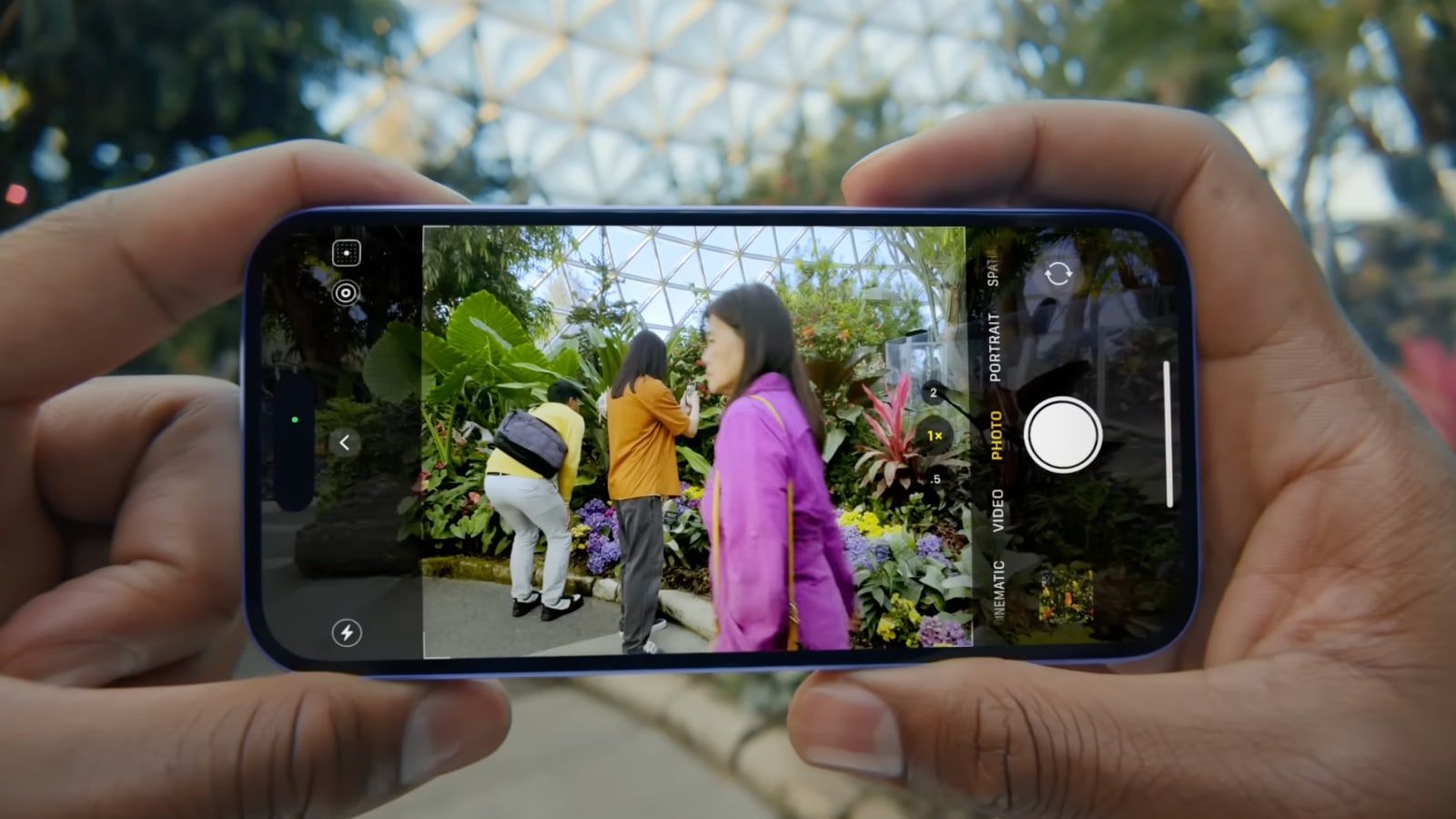
YouTube has announced «Super Resolution»a feature that will use AI to automatically improve videos uploaded with low quality. The platform will begin by converting content less than 1080p (360p, 480p…) to HD, with the goal of reaching 4K later. The promise is clear: improve sharpness on large TVs and modern mobile phones, without the need for creators to re-upload their videos.
Another key is control: the original version of the video will be preserved and there will be the option to disable these improvements for both creators and users. Plus, YouTube will clearly show in the settings when a video is using Super Resolution, so you know what you're watching.
What is YouTube's “Super Resolution” and how does it work?
The idea is not new in the world of video, but it is new that YouTube applies it massively in its own player. The AI reconstructs details and reduces visual artifacts so old or low-resolution videos look sharp in HD. Unlike TV rescaling, this improvement is applied from the platform and with models specifically trained on YouTube content, which should homogenize the quality and avoid irregular results depending on the hardware.
For now, the deployment boots with videos from SD to HD and will be progressively expanded. The stated goal is for even older popular videos to gain clarity, color and definition without altering the creator's intent or changing view numbers.
Availability, compatibility and how to disable it
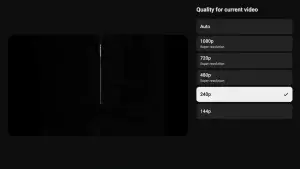
YouTube will integrate Super Resolution first in TV experiencethe format most affected by low-quality material, and then on the web and mobile. If you are not satisfied with the result, you can deactivate the improvement from the playback settings; Creators, for their part, will have controls to exclude specific videos or their entire library. Important: The original resolution will still be available, so you will not “lose” the file or be forced to view the enhanced version.
For Android and Android TV users, the change should be noticeable especially when playing older videos at 360p/480ptypical in tutorials or gameplays from the past decade. On mobile phones, the impact will be less than on large screens, but it will be appreciated on high-density screens and with limited connections, where YouTube sometimes prioritizes a low resolution.
A quality boost for the YouTube archive
If it deploys as promised with considerable speed such as It happened with its redesign which arrived in record time, Super Resolution can improve millions of videos that currently look bad on 4K TVswithout requiring additional work and without modifying the original. The key will be how it handles extreme cases (videos in 240p or with excessive compression) and whether the switch to deactivate it is visible. Do you think YouTube is right about applying AI by default or would you prefer to always leave it manual? We look forward to your comments.